Wondering why so many Boulder homes feel fresh, grounded, and connected to the outdoors all at once? If you are buying, selling, or updating a home here, it helps to know that Boulder design is not driven by passing trends alone. It is shaped by climate, city codes, older housing stock, and a strong local preference for spaces that feel warm, functional, and true to their setting. Let’s dive in.
Why Boulder Design Feels Distinct
Boulder sits where the Plains meet the Rockies, and that setting influences what works in a home. The city promotes native plants and waterwise landscapes, and the local climate includes warm summer highs, about 21.23 inches of annual precipitation, and nearly 92.8 inches of snowfall on average. That mix helps explain why outdoor rooms, covered patios, and landscape-driven curb appeal matter so much here.
Boulder’s housing stock also shapes the design conversation. Many neighborhoods include 1960s and 1970s ranches and bi-level homes, which often lend themselves to thoughtful renovation instead of full replacement. In some cases, homes older than 50 years may also involve historic-preservation review, so updates often need to balance modernization with the home’s original character.
Warm Modern Leads the Way
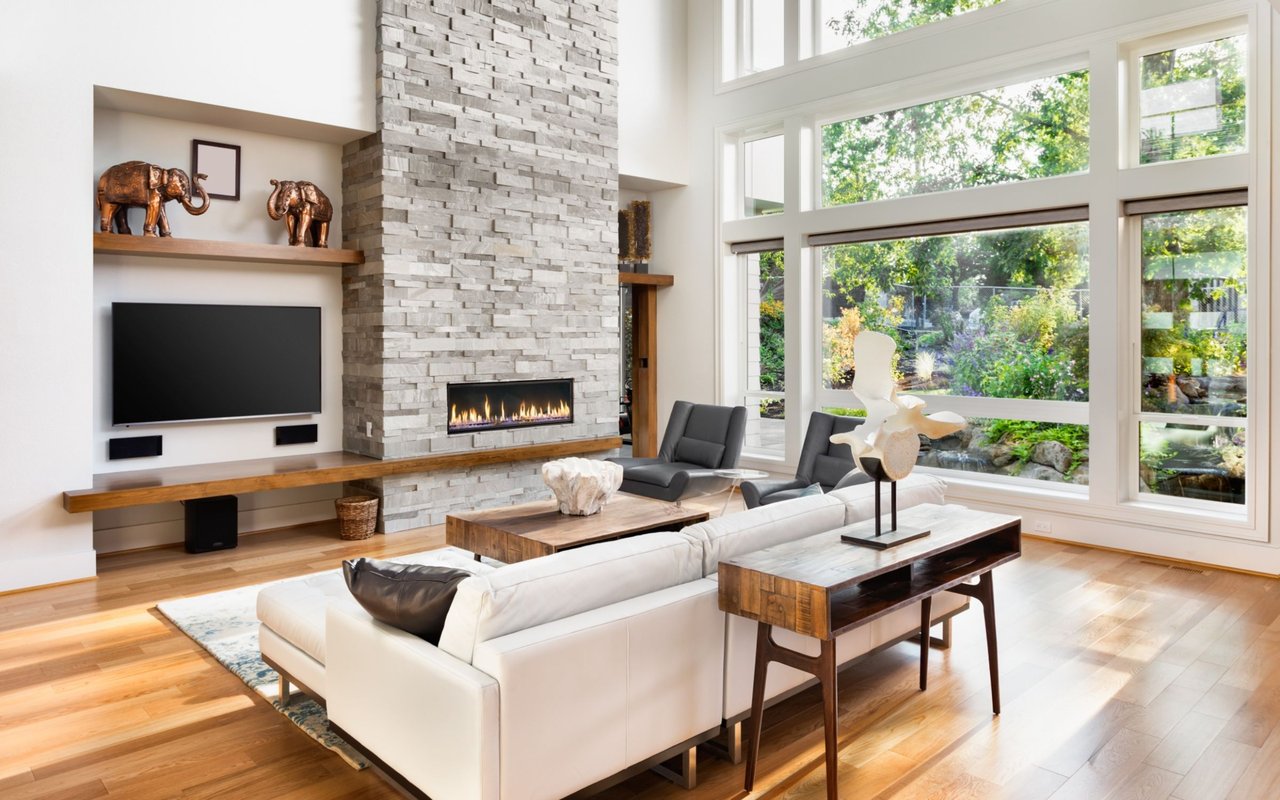
The strongest design direction in Boulder today is warm modern. That means homes still feel clean and current, but not cold or overly minimal. Instead of stark finishes and empty rooms, the look leans richer, more personal, and more layered.
Many Boulder interiors now blend modern lines with mid-century influence. You will often see white oak floors, desert-inspired neutrals, woven natural textures, and details that celebrate craftsmanship. The result is polished, but still comfortable enough to feel lived in.
Materials Matter More Than Ever
In Boulder, finish choices often do the heavy lifting. Local projects frequently feature quartzite, unlacquered brass, plaster or Roman clay walls, handmade tile, wood paneling, exposed beams, built-ins, and statement fireplaces. These materials add texture and durability without making a space feel busy.
This matters for both buyers and sellers. Buyers are often drawn to homes that feel tactile and well considered, while sellers can benefit from updates that photograph beautifully and hold up over time. In many cases, simple material upgrades create more impact than chasing bold design themes.
Color Is Back, Carefully
Color has returned, but usually in measured ways. Instead of covering an entire home in strong shades, Boulder design tends to use jewel tones, botanical wallpaper, and patterned textiles as accents within calm rooms. That approach keeps spaces memorable without overwhelming them.
Vintage and antique pieces also play an important role. They can add character and warmth, especially in homes that might otherwise feel too staged or generic. In Boulder, the goal is often a home that feels collected and authentic rather than perfectly matched.
Flexible Layouts Are a Priority
A beautiful home still needs to work for real life. In Boulder, that has pushed design toward more flexible floor plans that can support changing routines over time. Homeowners are looking for spaces that adapt easily, whether that means working from home, hosting guests, or planning for long-term use.
Local accessory dwelling unit projects reflect this mindset clearly. These spaces are being used as home offices, guest quarters, family rooms, and even future primary suites. The same idea shows up in main homes through open layouts, better flow, bigger sightlines, and improvements that make a house feel more useful without greatly expanding the footprint.
Light and Views Shape the Floor Plan
Boulder homes often prioritize what is outside the windows as much as what is inside the walls. Design choices commonly aim to maximize Flatirons views, draw in daylight, and connect indoor rooms to decks, terraces, and outdoor dining areas. That is one reason skylights, larger openings, and view-framing layouts remain so appealing.
For buyers, these features can make a home feel instantly more livable. For sellers, they often become part of the home’s emotional pull. A layout that improves flow and celebrates natural light can have a strong effect, even when the square footage stays the same.
Outdoor Living Is Part of the Home
In Boulder, outdoor space is not just a backyard. It is often treated as a true extension of daily living. Covered patios, decks, terraces, and outdoor cooking or dining zones fit naturally with the local climate and lifestyle.
Because Boulder sees warm summer days, meaningful snowfall, and a strong connection to the landscape, the best outdoor spaces tend to be both attractive and practical. Covered areas, durable materials, and thoughtful landscaping can extend how often you use the space. That balance is part of what makes outdoor living feel intentional instead of decorative.
Native Landscaping Fits Boulder
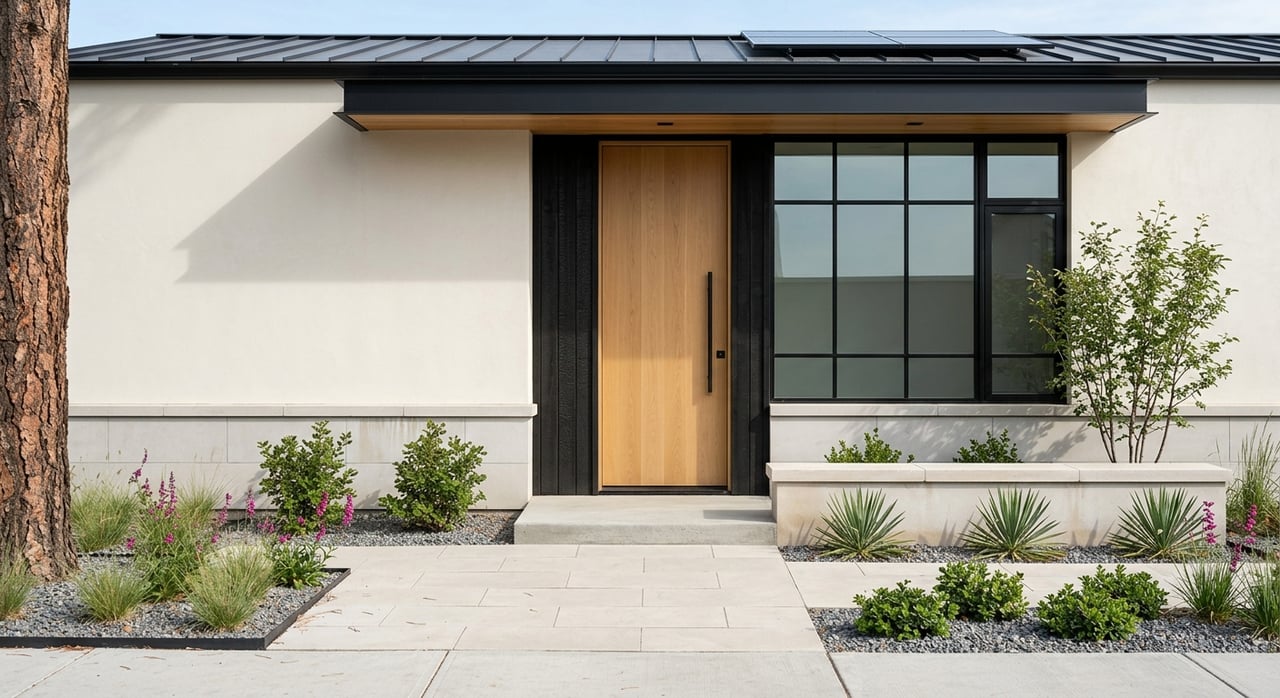
Native and waterwise landscaping is especially relevant in Boulder. The city notes that native plants are low-care and low-water, and that native gardens can bloom from early spring until after the first snow. As a result, many local landscapes feel more ecological, restrained, and climate-responsive than heavily manicured.
This kind of curb appeal can also support a home’s overall design story. A house with warm natural materials and a landscape that fits the region tends to feel more cohesive. For sellers, that can help a property make a strong first impression without feeling overworked.
Wellness Design Is Gaining Ground
Another trend shaping Boulder homes is a stronger focus on wellness. Local design conversations increasingly frame the home as a place that supports your routines, comfort, and sense of calm. That can include spaces for meditation, breathwork, or simply quiet retreat.
Wellness design does not always mean a dedicated studio or major remodel. Often, it shows up through natural light, better airflow, soothing materials, and rooms that feel less cluttered and more intentional. In Boulder, this trend fits neatly with the broader desire for homes that are functional, restorative, and connected to nature.
Energy Performance Is Now Design
In Boulder, sustainability is not a side note. It is part of what defines a well-executed home. The city’s 2024 Energy Conservation Code sets minimum energy-performance standards for new and renovated buildings, and Boulder’s broader direction supports high-performance, net-zero-energy buildings over time.
The city also says new construction, additions, and major alterations are being pushed toward all-electric systems. That means energy performance increasingly influences design decisions from the start. Efficient windows, insulation, HVAC choices, and appliances are not just practical upgrades. They are now part of what makes a remodel feel current in Boulder.
Why This Matters for Rentals Too
For rental properties, Boulder’s SmartRegs program requires licensed rental housing to meet a basic energy-efficiency standard. That makes performance upgrades especially relevant for landlords, investors, and anyone preparing to sell a rental-oriented property. In this market, buyers often pay attention to both aesthetics and operating efficiency.
Even for owner-occupied homes, the message is similar. Improvements that reduce energy use and support long-term comfort can strengthen how a home is perceived. In Boulder, efficiency often reads as thoughtful, modern, and well maintained.
What Feels Timeless in Boulder
The most lasting Boulder style is usually not the boldest one. A calm and durable base tends to have the widest appeal, especially when it is paired with a few memorable details. Warm wood, natural stone, layered lighting, and a strong indoor-outdoor connection continue to feel relevant across many property types.
This approach also fits Boulder’s tendency to value revival over demolition. The local design culture often favors reimagining older homes instead of erasing them. For many sellers, the sweet spot is updating kitchens, baths, windows, lighting, and mechanical systems while keeping the home’s original bones and architectural character where possible.
A Smart Approach for Buyers and Sellers
If you are buying, these trends can help you tell the difference between a cosmetic update and a thoughtful one. A home that respects its architecture, improves performance, and creates useful connection to the outdoors may hold broader appeal over time. It is often a better long-term bet than a home built around a highly themed look.
If you are selling, design decisions do not need to be flashy to be effective. Often, the most market-friendly presentation in Boulder is modern but warm, efficient but not overly technical, and updated without losing the home’s personality. Thoughtful preparation can help your home feel current while still fitting naturally into the Boulder market.
When you are weighing which updates matter most, it helps to have local guidance that connects design choices to buyer expectations, property type, and market strategy. The team at Boulder Residential helps buyers, sellers, and investors make confident decisions with practical insight rooted in Boulder’s market.
FAQs
What design style is most popular in Boulder homes right now?
- The strongest local direction is warm modern, which blends clean lines with natural textures, layered materials, and a more personal, comfortable feel.
How does Boulder’s climate affect home design?
- Boulder’s mix of sunny summers, snowfall, and a strong connection to the landscape supports outdoor living spaces, covered patios, durable materials, and waterwise landscaping.
What home updates matter most to Boulder buyers?
- Buyers often respond well to thoughtful kitchen and bath updates, better light and flow, durable natural materials, strong indoor-outdoor connection, and energy-performance improvements.
Are older homes in Boulder usually remodeled or replaced?
- Many Boulder homes, especially ranches and bi-levels from the 1960s and 1970s, are often renovated rather than replaced, with updates that preserve character while improving function and comfort.
Why is energy efficiency such a big part of Boulder home design?
- Boulder’s current code environment emphasizes energy performance for new and renovated homes, so efficient systems and materials are increasingly part of what makes a home feel well designed and market ready.
What kind of landscaping fits Boulder homes best?
- Native and waterwise landscaping fits well with Boulder’s climate and city guidance, and it often creates a more cohesive, low-care, and climate-responsive look.